Retro Game Remote: A Nostalgic Design Asset for Video Game-Themed Crafts & Branding
First Impressions: A Playful Nod to Gaming’s Golden Era
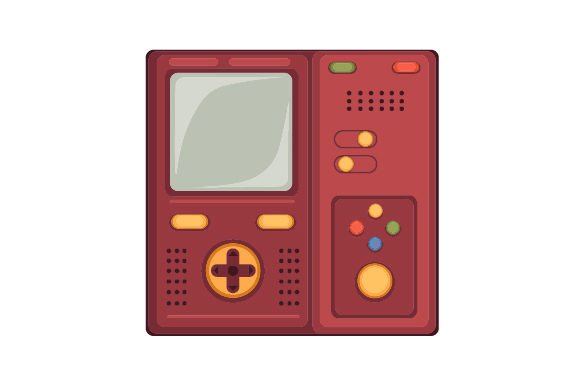
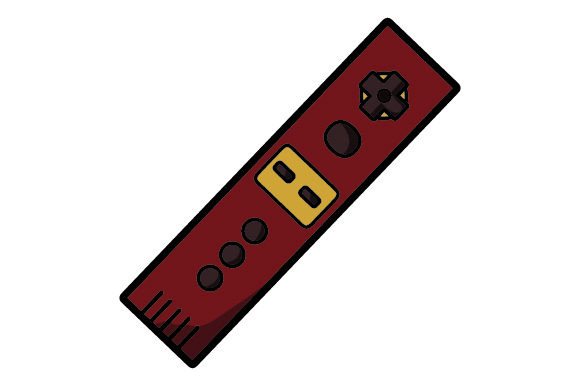
The Retro Game Remote design immediately evokes a sense of nostalgia, pulling from the visual language of early video game controllers. It carries a bold, pixel-inspired aesthetic with clean outlines and chunky button details that scream 80s and 90s gaming culture. This isn’t just a decorative graphic—it’s a thematic anchor that can set the tone for a wide range of creative projects, especially those targeting retro gaming enthusiasts or indie game brands.
Design Mood and Style: Vibrant, Fun, and Themed
Visually, the Retro Game Remote feels like a hybrid between a digital illustration and a stylized icon. Its angular edges and flat color potential make it ideal for modern retro themes. It works well in both vibrant and monochrome palettes, lending itself to playful branding, vintage-inspired packaging, and themed merchandise. The asset feels at home in a design world that celebrates craftsmanship, DIY aesthetics, and niche pop culture.
Real-World Use: From Brand Identity to Print-on-Demand Merch
As a graphic designer evaluating this design asset for client work, I considered how it might function across a variety of real-world applications:
- Logo design: Can be integrated into a custom logo for a retro gaming podcast or indie developer brand.
- Product packaging: Works well as a central motif on game-themed snack packaging or collectible toy boxes.
- Sticker design: Scales nicely for vinyl stickers, especially when targeting Etsy shops or convention booths.
- T-shirt design: Makes a strong focal point on casual apparel for gaming events or fan clubs.
- Social media graphics: Perfect for Instagram stories or Pinterest pins that promote retro gaming content or merchandise.
- Cricut projects: Ideal for laser-cut vinyl or heat transfer projects aimed at DIY crafters.
- Printable wall art: Can be combined with other pixel-style graphics to create a cohesive gallery wall for game rooms or bedrooms.
Where Retro Game Remote Shines
This design asset truly comes alive in projects that lean into its nostalgic charm. It performs best in:
- Themed collections: Especially in seasonal campaigns or holiday merchandise tied to gaming nostalgia.
- Hero graphics: As a large-scale visual on posters, banners, or landing pages.
- Packaging details: Adds instant personality to game-themed product boxes or sticker seals.
- Merchandise design: Whether on mugs, tote bags, or phone cases, it enhances the perceived value of novelty items.
- Commercial design assets: Useful in Canva templates or digital design bundles for small business owners selling retro-themed goods.
When to Use with Caution
While versatile, Retro Game Remote isn’t a one-size-fits-all solution. It should be used carefully in the following contexts:
- Small sizes: The button details can become indistinct at thumbnail scale.
- Crowded layouts: May clash with other visual elements in complex compositions.
- Minimalist branding: Doesn’t align with sleek, modern brand identities that prioritize simplicity.
- Professional corporate materials: Too playful for formal reports or B2B presentations.
- Low-contrast designs: Risks blending into busy or muted backgrounds without proper spacing.
Impact on Visual Hierarchy and Brand Consistency
Used strategically, Retro Game Remote can elevate the emotional appeal and audience engagement of a design. It naturally draws attention and can act as a conversation starter. However, it’s important to ensure it aligns with the overall brand voice and doesn’t overpower other design elements. When integrated thoughtfully, it reinforces brand recognition and adds a layer of authenticity to retro-themed businesses.
Designer Notes: Preparing for Client Projects
Before deploying Retro Game Remote in a client project, here are several key checks every designer should perform:
- Test in black and white: See how the design holds up without color—this is especially important for monochrome print jobs.
- Check contrast: Ensure visibility on both light and dark backgrounds.
- Preview at multiple sizes: Confirm that the design remains legible and impactful at both large and small scales.
- Place on real mockups: Use high-quality product mockups to visualize how it looks in context.
- Test print quality: Especially important if the client plans to use it for physical merchandise or packaging.
- Review file formats: The Retro Game Remote includes SVG, Transparent PNG, EPS, and DXF—each suitable for different uses. SVG is ideal for web scalability, while PNG with transparency is great for layered designs.
- Inspect PNG transparency: Make sure the alpha channel is clean and there are no unwanted artifacts.
- Compare with fonts: Pair it with a variety of typefaces—retro pixel fonts, modern sans serifs, or script styles—to see which combinations feel cohesive.
- Confirm commercial licensing: Always verify that the asset is cleared for commercial use, especially if the client is launching a product line or print-on-demand collection.
Final Verdict: A Valuable Addition to Retro-Themed Design Kits
For designers working on client projects that celebrate gaming culture, vintage aesthetics, or handmade creativity, the Retro Game Remote is a solid choice. It brings a sense of fun and authenticity to the table and can be a powerful visual tool when used in the right context. Whether you're building a brand identity for a local arcade, designing a line of game-themed stickers, or creating social media assets for a nostalgic YouTube channel, this design asset can help elevate your visuals and connect with the right audience.
Just remember to test it thoroughly, use it thoughtfully, and always align it with the client’s brand goals and audience expectations.