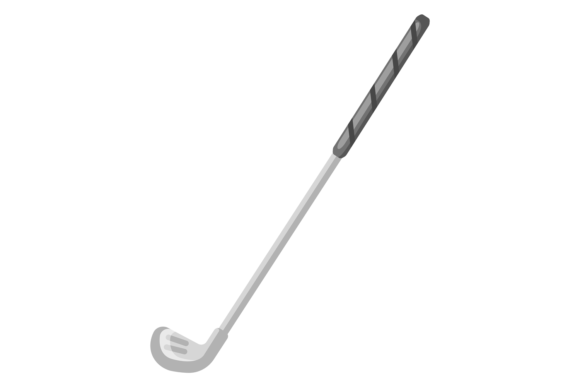
Golf Club Icon: A Sharp, Versatile Embroidery Pick for Sporty Projects
First Impressions: Clean, Bold, and Instantly Recognizable
Right off the bat, the Golf Club Icon. Game Tournament Symbol. strikes a confident pose—clean lines, balanced proportions, and a strong focal point that reads well even at a glance. It’s the kind of design that says “sports event” without needing any extra text or embellishment. The isolated golf club motif, likely stylized to avoid overcomplication, makes it ideal for embroidery use where clarity and stitch efficiency are key. This is a design that leans into minimalism without sacrificing visual impact, which is a big plus when you're translating it into thread.
Real-World Use: From Tote Bags to Tournament Sweatshirts
I recently tested the Golf Club Icon on a custom embroidered tote bag for a local golf club event. The design held up beautifully on medium-weight cotton canvas, with crisp satin borders and clean fill stitches that didn’t pucker or distort the fabric. It scaled well to a 3-inch hoop size, maintaining its legibility and structure without looking cramped. I also tried it on a sweatshirt mockup for a client’s tournament giveaway, and the result was professional and polished—no distortion, even around the club’s shaft and grip.
For small business owners or Etsy sellers, this icon could work as a standalone design or as part of a set for themed merchandise. It's especially effective on baby items like burp cloths or onesies, where simplicity and softness matter. On darker fabrics, I recommend checking thread contrast—especially around the club’s outline—to ensure visibility. A white or light gray thread for the outer edge can really make it pop.
Where to Be Careful: Fabric and Fit Matter
As with any embroidered graphic, the Golf Club Icon needs the right canvas to shine. I wouldn’t recommend it for very stretchy or thin fabrics without proper stabilizer support. On a lightweight T-shirt, for example, the design could distort or sink into the knit unless a medium-weight tear-away or cutaway stabilizer is used.
Also, while the icon is simple enough for most hoop sizes, be cautious when placing it on curved surfaces like baseball caps. The club’s vertical orientation can be tricky to align properly on a curved panel, so test it on a cap blank first. If you're layering the design onto a patch or applique, double-check how the edges interact with the background fabric—especially if you’re using a textured or patterned material underneath.
Visual Impact: Elevating the Finished Product
This design has a quiet elegance that elevates the perceived value of any product it's stitched onto. Whether it's a boutique sweatshirt or a personalized golf-themed baby blanket, the Golf Club Icon adds a touch of sophistication without being overly formal. It’s recognizable, which helps with brand consistency if you're creating merchandise for a tournament or club branding.
From a customer’s perspective, this kind of design reads as professional and thoughtfully chosen. It doesn’t scream “generic stock design,” which is a big win for crafters and small business owners trying to stand out in a crowded market. It also works well as a digital product preview—especially when displayed in a clean mockup on transparent PNG or SVG format, as the product description notes. Etsy sellers can easily showcase it in listings with minimal editing.
Practical Embroidery Notes: Test, Adjust, and Verify
Before committing to a final product, I always test new designs on scrap fabric. With the Golf Club Icon, I started with a basic cotton swatch and then moved to a heavier sweatshirt material. I checked stitch density to make sure it wasn’t too heavy for the fabric, and adjusted thread colors to see how it looked on both light and dark backgrounds.
- Test the design on scrap fabric before stitching it onto your final product.
- Check thread color contrast, especially on dark or patterned materials.
- Verify hoop size compatibility—especially if you're using a small embroidery hoop.
- Inspect small details like the grip or club head to ensure they stitch cleanly.
- Use proper stabilizer depending on fabric type—cutaway for stretchy, tear-away for stable cotton.
- Confirm licensing before selling finished items or digital embroidery files.
Also, try it in black and white mockups to see how it reads without color. Sometimes a design that looks great in color can lose definition when simplified, but the Golf Club Icon held up well even in grayscale. That’s a good sign for its adaptability across different product types and customer preferences.
Best Uses: From Personal to Commercial Embroidery
This design works across a wide range of applications. Here’s a quick breakdown of where it shines:
- Custom apparel – T-shirts, hoodies, and sweatshirts for golf events.
- Embroidered patches – Perfect for club branding or tournament giveaways.
- Baby items – Cute and subtle on burp cloths, bibs, and sleepers.
- Holiday gifts – Great for Father’s Day or golf-themed birthdays.
- Commercial embroidery – Ideal for boutique merchandise and club swag.
- Digital product previews – Clear, scalable, and easy to showcase in mockups.
Whether you're an embroidery hobbyist making gifts or a small business owner building a line of golf-themed products, the Golf Club Icon delivers consistent results across materials and project types.
Final Take: A Smart Addition to Any Embroidery Toolkit
In the end, the Golf Club Icon. Game Tournament Symbol. is a smart, practical choice for designers and makers who value clean, recognizable imagery that stitches well. It’s versatile enough to work across a range of fabric types and product categories, and it holds up under scrutiny—both visually and technically.
For those selling on Etsy or at craft fairs, this design adds a touch of professionalism that customers notice. For personal use, it brings a polished look to custom gifts and keepsakes. Just remember to test it first, adjust for fabric type, and confirm licensing before resale. Once you do, it’s a solid, go-to graphic that’s easy to incorporate into your embroidery workflow.